
F. La Rocca & Sons Masonry & Paving Contractors
Explore the latest trends in retaining wall design that are transforming landscape architecture. From innovative materials to multifunctional structures, discover how these trends are enhancing both the functionality and aesthetic appeal of outdoor spaces.
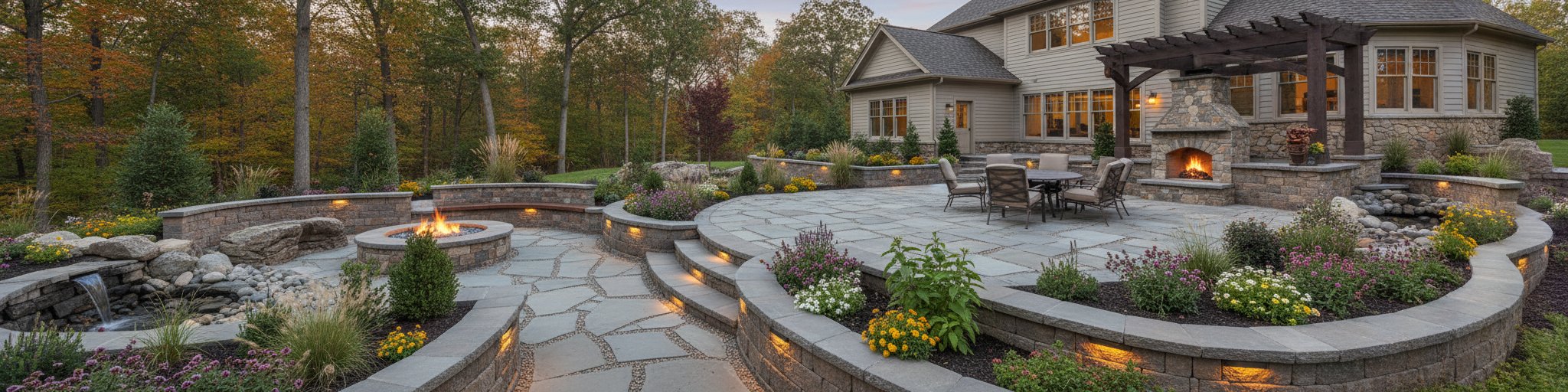
The Evolution of Retaining Wall Design
Retaining walls have long been a staple in landscape architecture, primarily for their functionality in managing land slopes and preventing erosion. However, recent design trends are pushing the boundaries of what these structures can achieve, both in terms of aesthetics and utility.
Modern retaining walls are no longer just about practicality; they are becoming integral components of outdoor design, offering opportunities to integrate seating, lighting, and plant life. This evolution is driven by an increasing demand for outdoor spaces that are both beautiful and functional.
- Integration with natural landscapes
- Use of sustainable materials
- Combining aesthetics with functionality
Innovative Materials in Retaining Wall Construction
The choice of materials in retaining wall construction has expanded significantly. While traditional options like concrete and stone remain popular, new materials are gaining traction for their sustainability and design flexibility.
Eco-friendly materials such as recycled concrete and gabion walls, which utilize wire containers filled with rocks or stones, are becoming popular. These materials not only reduce environmental impact but also offer unique textures and appearances that enhance the visual appeal of outdoor spaces.
- Recycled concrete
- Gabion walls
- Natural stone alternatives
Multifunctional Retaining Wall Designs
Today’s retaining walls are designed to serve multiple purposes beyond their primary function. Designers are incorporating features such as built-in seating areas, planters, and even lighting to enhance the usability of outdoor spaces.
These multifunctional designs cater to the growing trend of creating outdoor living areas that extend the functional space of homes and commercial properties. By integrating seating and greenery, retaining walls can transform a simple slope into a vibrant and inviting area.
- Built-in seating solutions
- Integrated planters
- Incorporated lighting features
The Future of Retaining Wall Design
As urban spaces continue to grow, the role of retaining walls in landscape architecture is expected to expand. Future designs will likely focus on maximizing space efficiency while maintaining environmental sustainability.
Innovations such as vertical gardens and living walls, which incorporate vegetation into their structure, are gaining popularity. These designs not only provide aesthetic benefits but also contribute to improved air quality and biodiversity in urban areas.
- Vertical gardens
- Living walls
- Smart technology integration
Related reading
- Retaining Wall Innovations
- Landscape Integration: Enhancing Outdoor Spaces
- Common Retaining Wall Questions
Frequently Asked Questions
What are the benefits of using eco-friendly materials for retaining walls?
Eco-friendly materials reduce environmental impact, enhance aesthetics, and offer unique textures that can improve the appeal of outdoor spaces.
How can retaining walls be made multifunctional?
Retaining walls can be designed with built-in seating, integrated planters, and lighting features to enhance the usability and aesthetics of outdoor spaces.
Transform Your Outdoor Space with Innovative Retaining Wall Designs
Ready to enhance your landscape with cutting-edge retaining wall designs? Contact F. La Rocca & Sons today for a consultation and discover how our expertise can bring your vision to life.